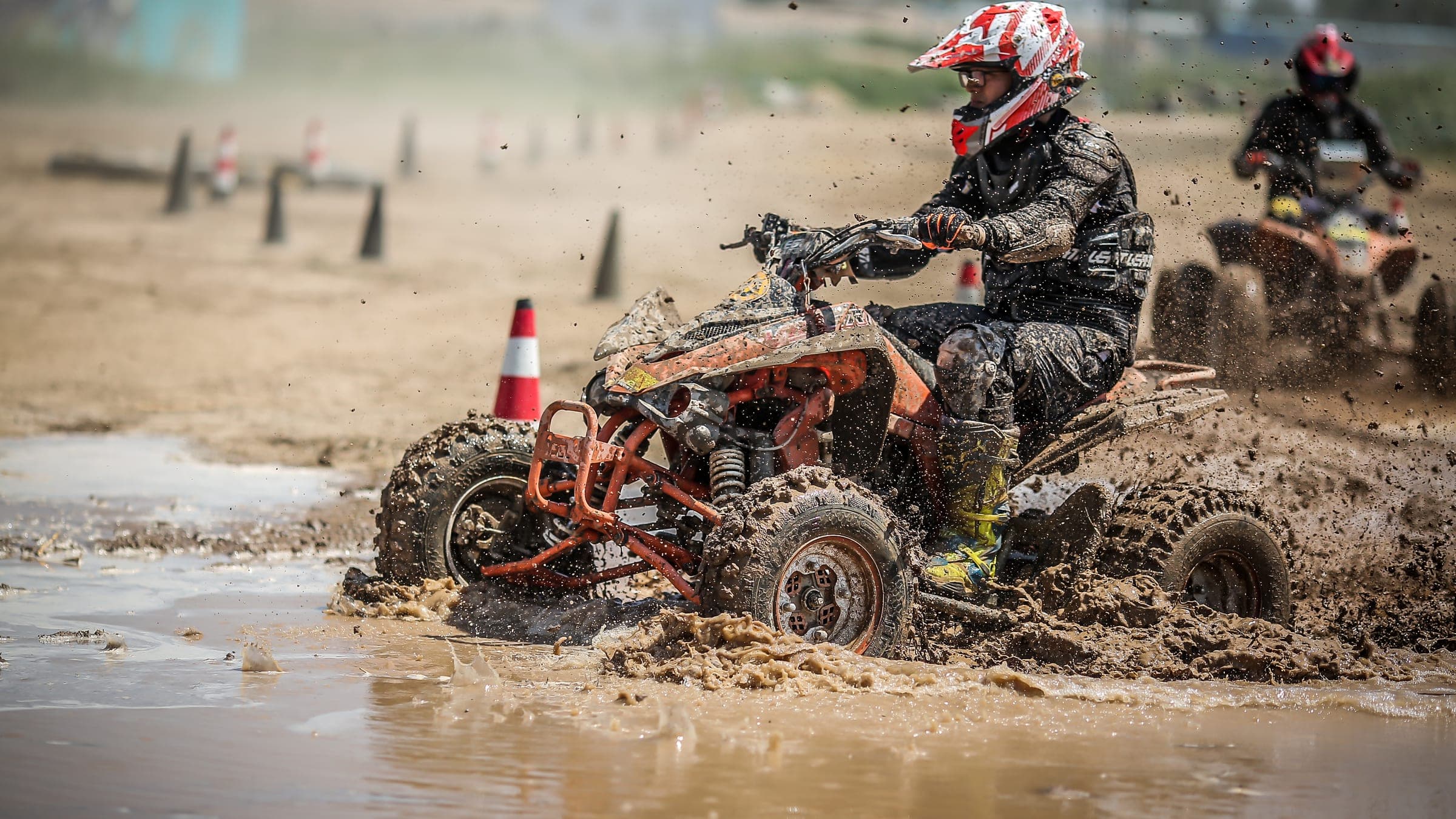
In Kids Rider training, it is not unusual for a vehicle to enter mud, lose traction and make the rider's original approach stop working. A child's first reaction may be to push harder or to look anxiously toward the coach.
The coach's first responsibility is to stabilise the situation according to site rules: stop the vehicle, shut it down or isolate the risk when necessary, and check the people, the machine and the surroundings. As long as a risk is still active, coaches and safety staff must take control rather than turn danger into a lesson.
Only after the risk is controlled and no immediate response is required does the coach invite the child to look again: What did you notice? Where might the problem be? What needs attention first? What have you already tried? Whose help do you need, and what kind of help?
Whether the child changes approach, a teammate joins in, or the coach intervenes on safety grounds, the important learning is more than simply making it to the end. It is the movement from panic back to observation, and from waiting for an answer to choosing a responsible next step.
Children do not need hardship for its own sake. They need opportunities to learn how to solve problems when difficulty appears.
Enduring hardship is not the same as learning to face difficulty
Some parents say, “Children have it too easy today. They should go out and experience some hardship.” I understand the concern behind that sentence. Parents are often less worried about comfort itself than about whether their child will have the resilience and agency to respond when life becomes difficult.
Persistence matters. The ability to tolerate fatigue, delay gratification and continue when things do not go smoothly is valuable. But enduring a difficulty and solving a problem are not the same thing.
Passive endurance may simply mean that a child has no other choice. Active problem solving means beginning to understand what has happened, what can be done, when to slow down, when help is essential and how a decision may affect teammates.
If an activity only makes a child more tired, sun-exposed or uncomfortable without offering meaningful chances to observe, choose, act and reflect, discomfort will not automatically become capability. Worse, when toughness becomes the only standard, a child may treat admitting fatigue as weakness, hide physical symptoms or mistake ignoring risk for courage.
Growth means learning to recognise physical and emotional signals, then gradually recovering judgment and action even while feeling frustrated or upset.
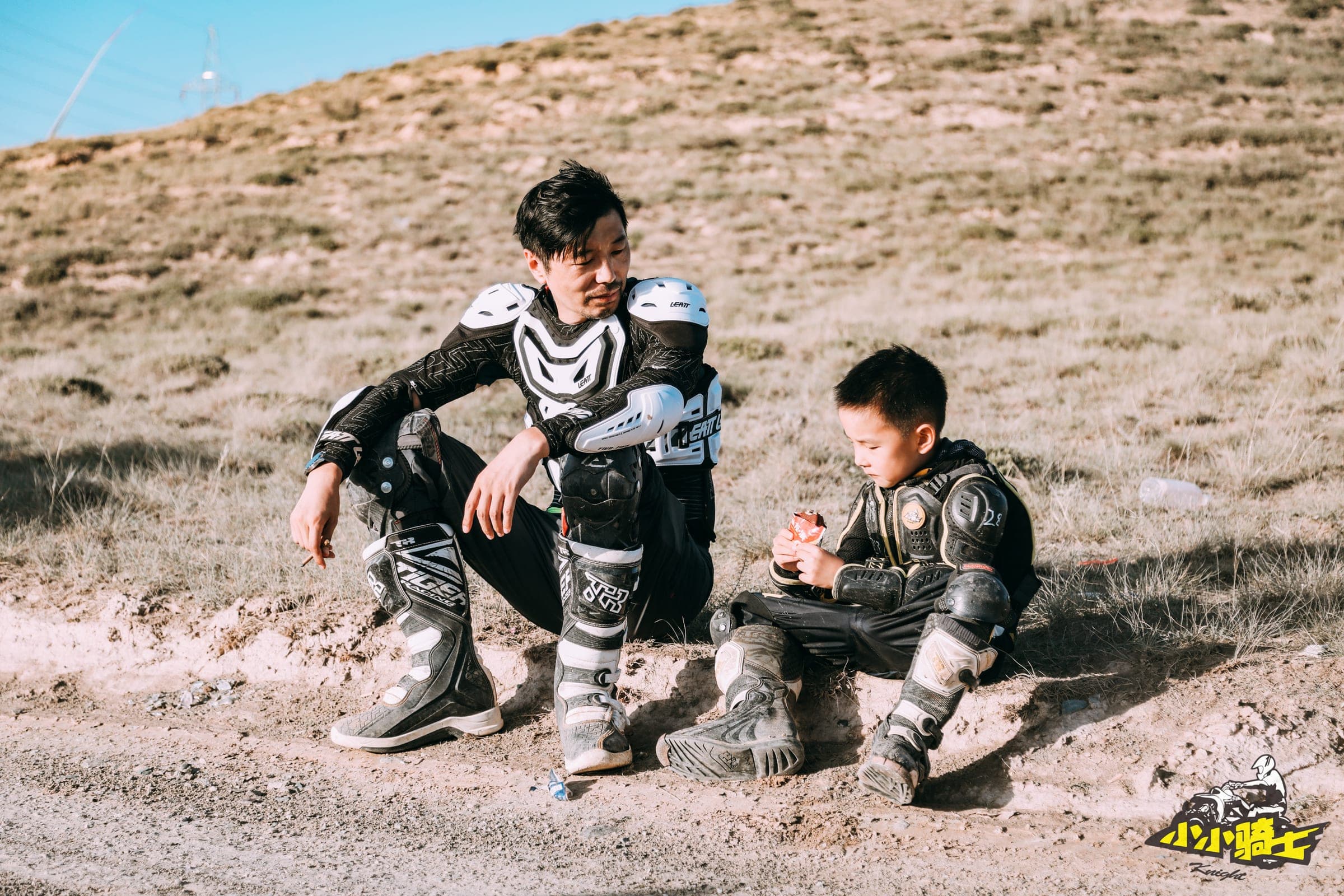
A good challenge has difficulty—and clear boundaries
Not every difficulty has educational value. A more dangerous task, a harsher route or more tears do not necessarily produce deeper growth. A worthwhile challenge should meet at least five conditions:
- The child understands the task: the goal, their responsibility and how their actions may affect the team.
- The difficulty sits just above current ability: it is demanding, but achievable through effort, cooperation and appropriate support.
- A qualified team carries responsibility for safety: equipment, vehicle condition, route and weather, medical support and emergencies are assessed and managed under a plan.
- The child has age-appropriate agency: they can offer ideas, describe their condition, request help and ask to pause or stop when uncomfortable or uncertain; qualified adults decide whether risk conditions allow the task to continue.
- Mistakes are recoverable and the task can be reviewed: non-critical errors may become learning opportunities, but children must never purchase experience with real danger.
When an ATV or other off-road four-wheeler is involved, the vehicle type and specification should suit the child's age, size, training level and the manufacturer's guidance. The child should complete appropriate training and ride only in a designated off-road area, under direct adult supervision and in accordance with local law and site rules.
Giving a child responsibility does not mean leaving the child to carry danger alone.
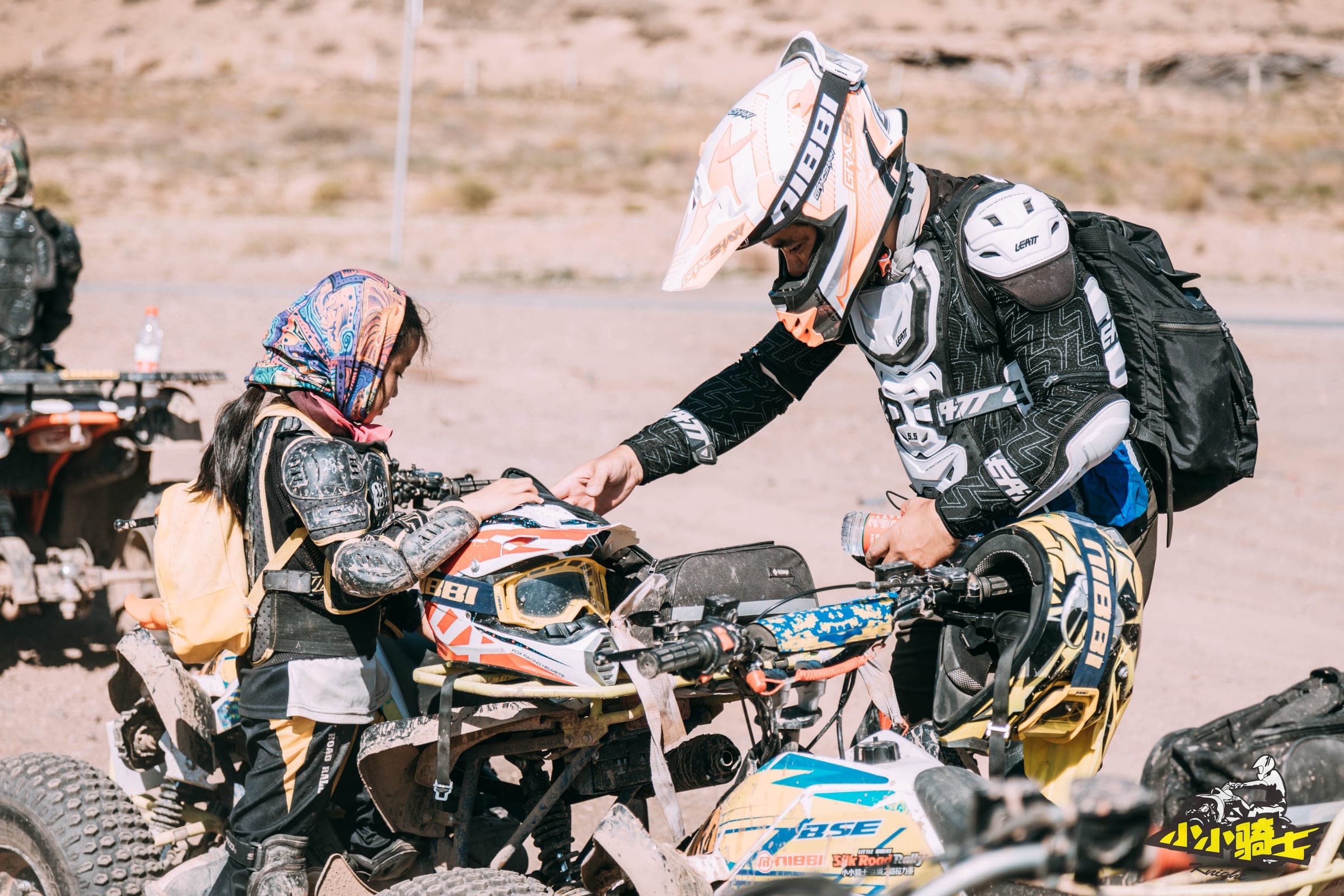
After the difficulty has passed, someone should help the child review it: Why did you make that judgment? What worked? What information did you miss? How did a teammate help? What would you adjust next time? Structured reflection helps turn scattered sensations and actions into experience that can be used again.
Turn “I can't” into “What is the next step?”
Real-world problems rarely arrive with the tidy conditions and single correct answers found in a textbook. Weather, routes, vehicles and equipment change. A team's energy and emotions also shift. An approach that worked before may no longer fit a new environment.
One of rallying's most valuable educational qualities is that children can repeatedly practise a method inside real, professionally assessed and managed change:
- Pause and observe: What are the facts? What signals are my body and emotions sending?
- Assess urgency: Is this something I can safely try to handle, or a safety, health or technical issue that an adult must check immediately?
- Take stock of resources: How much time, information, equipment and energy are available? Who has experience I do not have?
- Choose a workable next step: Instead of searching immediately for a perfect answer, identify one small action that can be completed safely now.
- Communicate, choose and act: Share the observation, explain the support needed and decide together how to continue.
- Adjust to the result: An ineffective method does not mean “I am incapable.” Return to the facts, revise the approach and change the original plan when necessary.
Maturity is not stubbornly following the first plan. It is continuing to make responsible choices after reality changes.
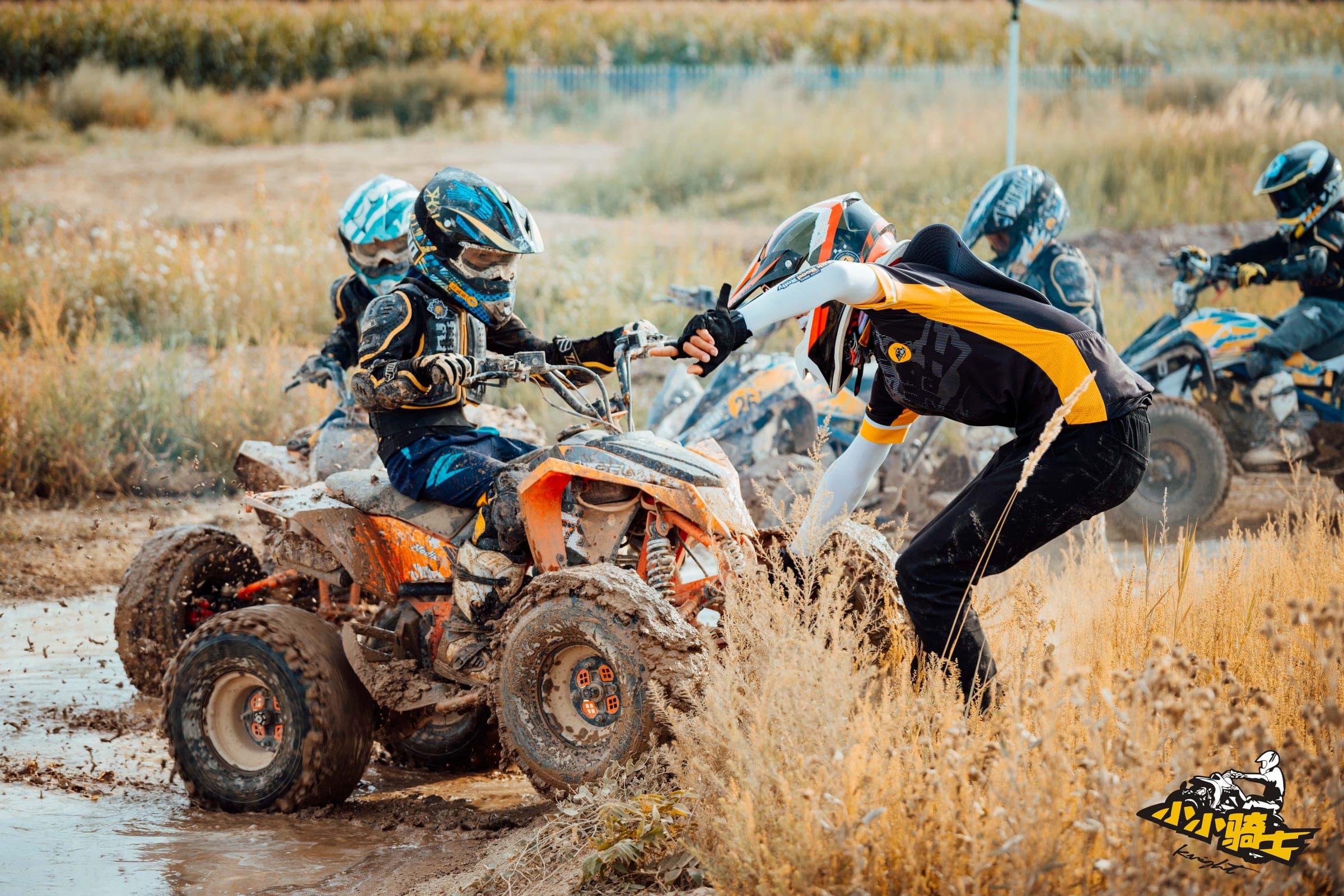
This is educational scaffolding: support the child when the next step is temporarily out of reach, then return the action as soon as the child has regained the conditions to continue.
Knowing how to ask for help and collaborate is real independence
Independence is often mistaken for doing everything alone. A real rally, however, is never a solo effort. Riders, navigators, mechanics, logistics and safety teams must constantly exchange information. No one can do every job independently.
Real independence means knowing what you are responsible for, what you have tried, whether the problem has exceeded your capability, and who can provide the right kind of help. Instead of only saying “I don't know how,” a child can learn to explain what has been checked, where they are stuck, how they feel and which part of the task needs support.
Asking precisely for help is not weakness. It is a way of taking responsibility for yourself and the team.
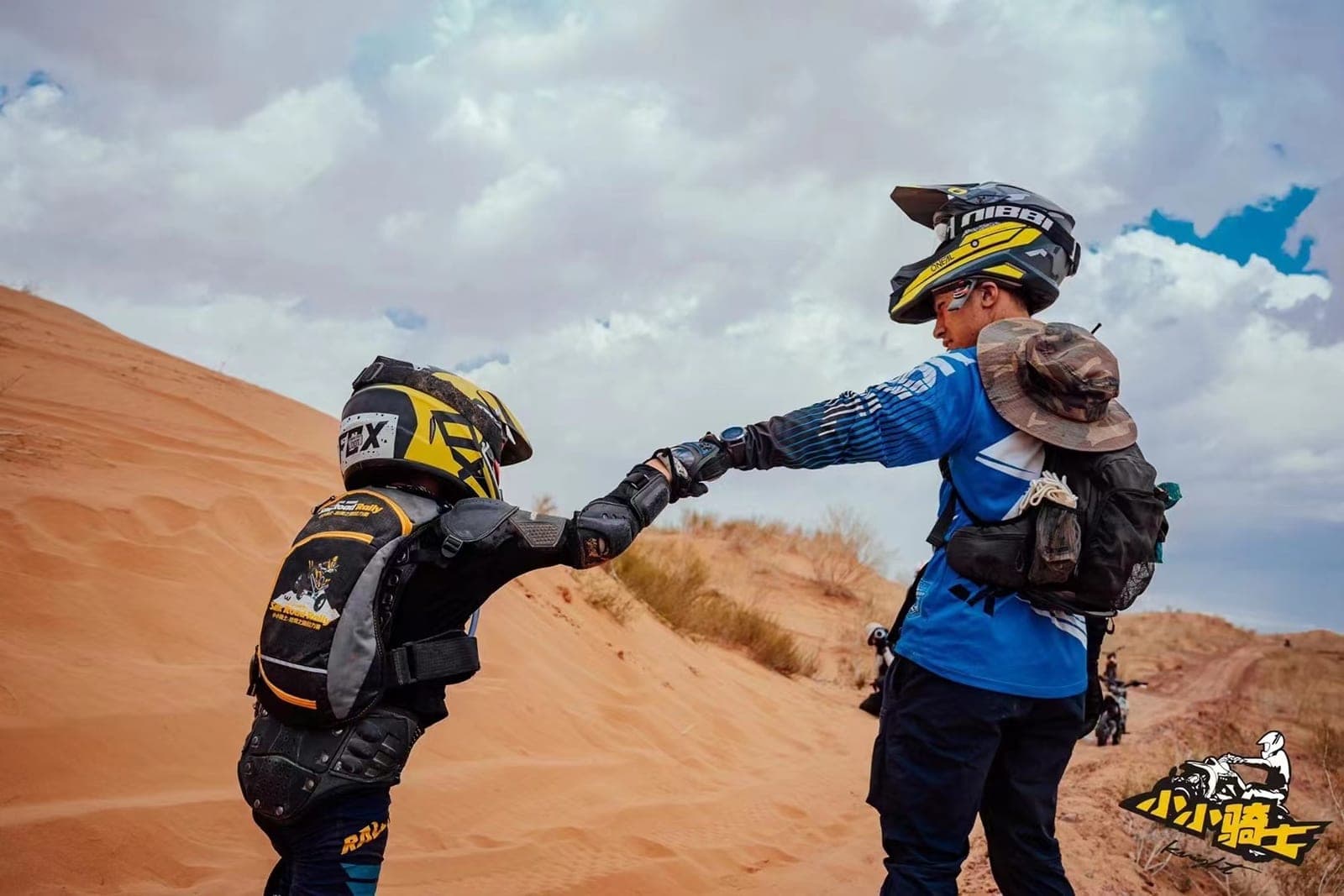
Collaboration is also more than lining up neatly and following an order together. When faster riders want to continue and teammates behind are tiring, the team must exchange information again: Should the pace change? Who will stay close? How should responsibilities be redistributed? How can individual and team goals be balanced?
Sometimes the progress most worth recording is not that a child rides faster, but that a child who could continue chooses to follow the team rule, adjust pace and look after a partner.
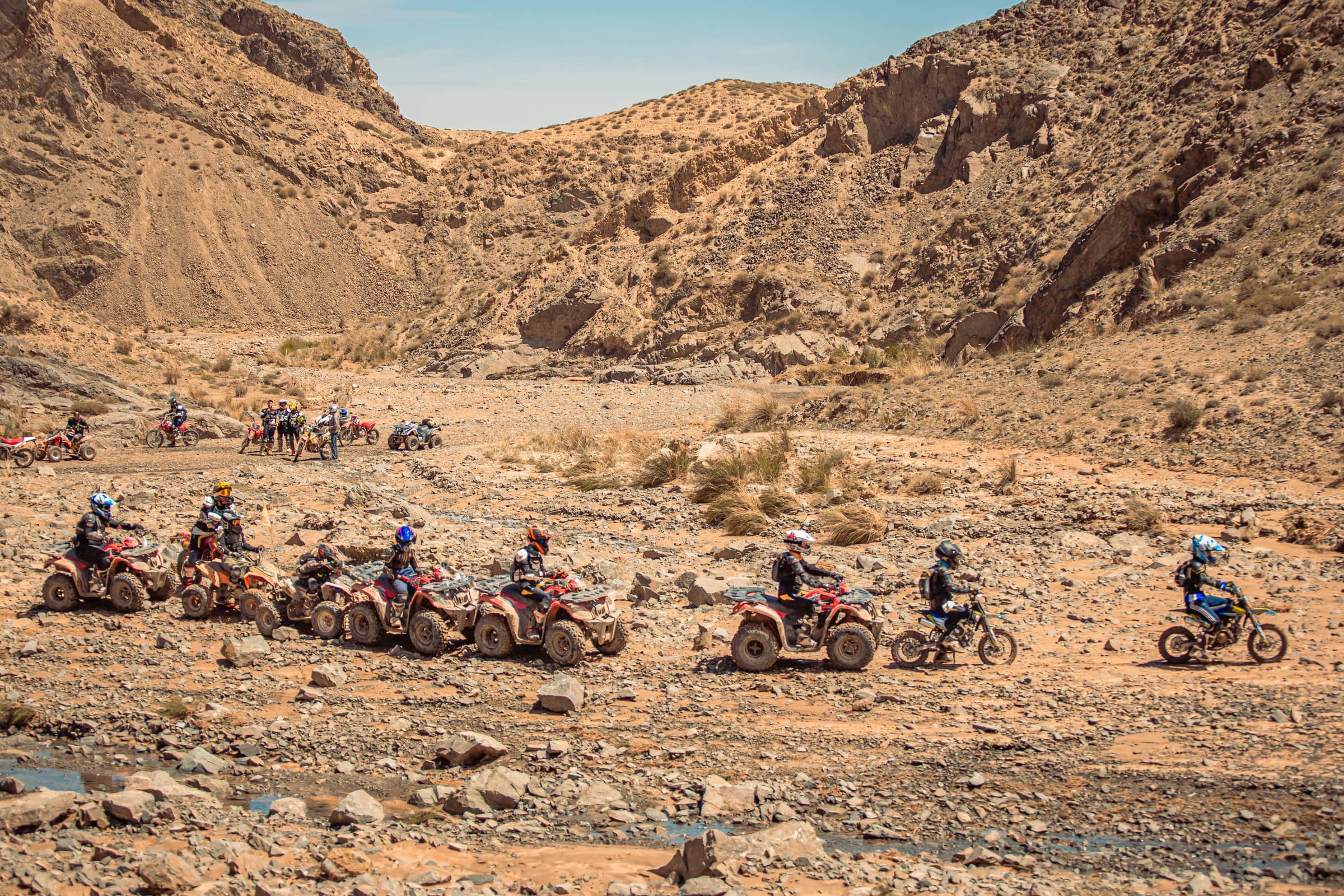
The adult's task: protect the boundary and resist giving every answer
When adults see a child moving slowly, the natural reaction is to take over. It is faster, tidier and makes it easier to finish on time. But if an adult supplies the answer whenever a problem appears, the child may learn to wait for someone more experienced to handle every difficulty.
When the risk has been assessed and remains within a manageable range, a coach can offer fewer answers and ask more questions: What do you see? What matters most now? What options do you have? How might this approach affect a teammate? Which part of the task would you like me to help with?
Resisting the urge to answer is not the same as standing by. If there is immediate danger, injury or clear physical distress, a loss of basic judgment or communication, a technical vehicle fault, worsening weather or increasing route risk, the task should stop and the relevant professionals should respond under the safety plan. Education must never be purchased at the cost of safety.
- If there is immediate danger, injury or clear physical distress, protect the child and seek appropriate professional support.
- If the child is experiencing ordinary fatigue or frustration, allow time to rest, communicate and reset.
- If the child is temporarily stuck, use questions to help identify a next step before taking over.
Support is not rescuing children from every difficulty. It is protecting the safety boundary while helping them build a method for moving through difficulty.
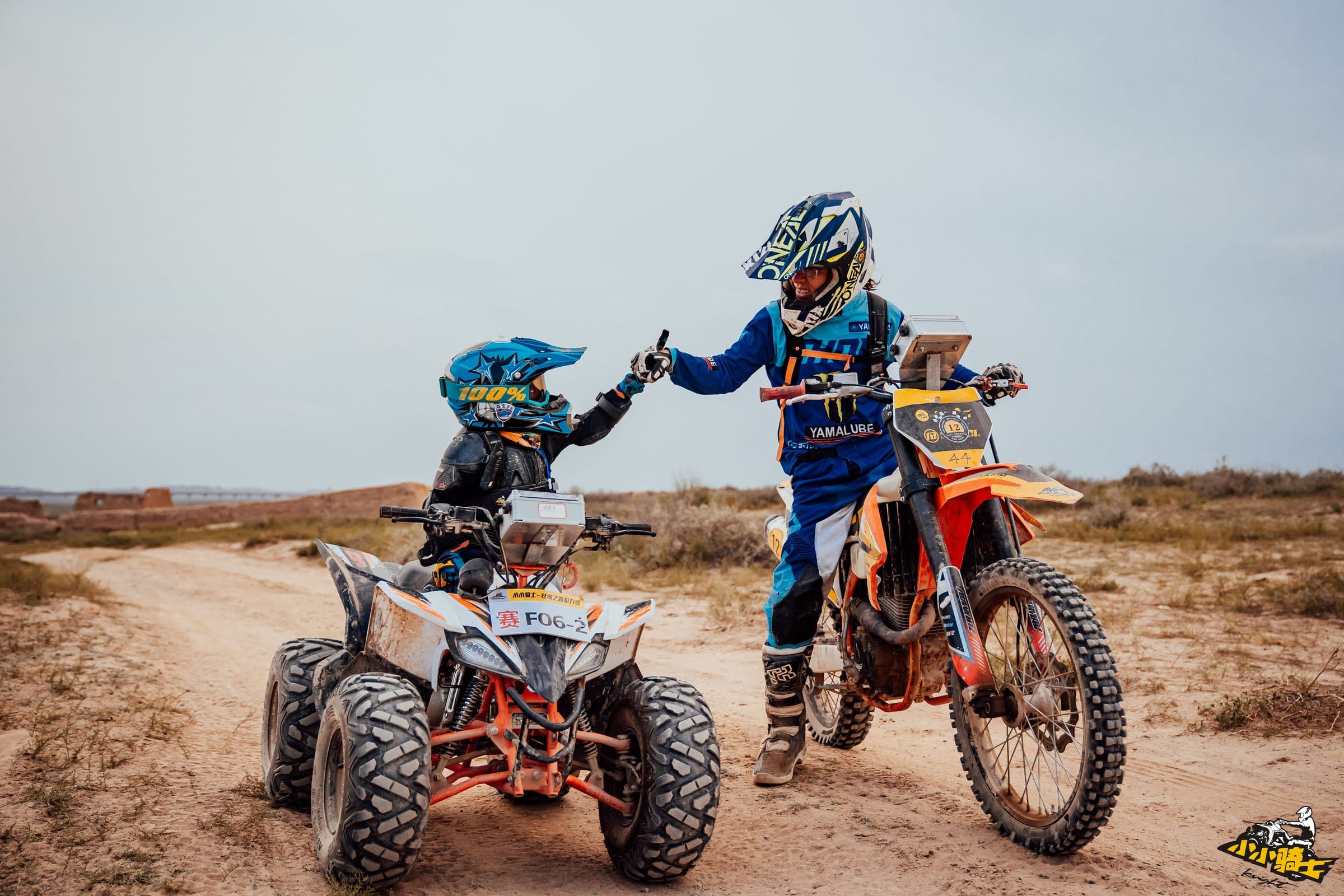
Bring the method from the desert back into everyday life
One camp cannot completely transform a child. We do not promise that children will return home never feeling afraid, avoiding a task or making another mistake.
A real experience can, however, leave a method that can be used again: see what is happening; notice physical and emotional signals; break a large problem into a next step; use available resources; ask the right person for precise help; listen to teammates; take responsibility for choices; review a failure and begin again.
These practices may later support a child through a disappointing result, conflict with a friend, a new school, an unfamiliar task and many other moments without a standard answer. After camp, parents might ask one fewer question about whether the child “pushed through” and ask five different questions instead:
- What problem did you encounter?
- What was the first fact you noticed?
- What approaches did you try?
- Who helped you, and whom did you help?
- What would you adjust if you could do it again?
These questions help children see that what deserves recognition is not only how much fatigue they tolerated, but how they thought, acted, asked for help and found a way forward with others.
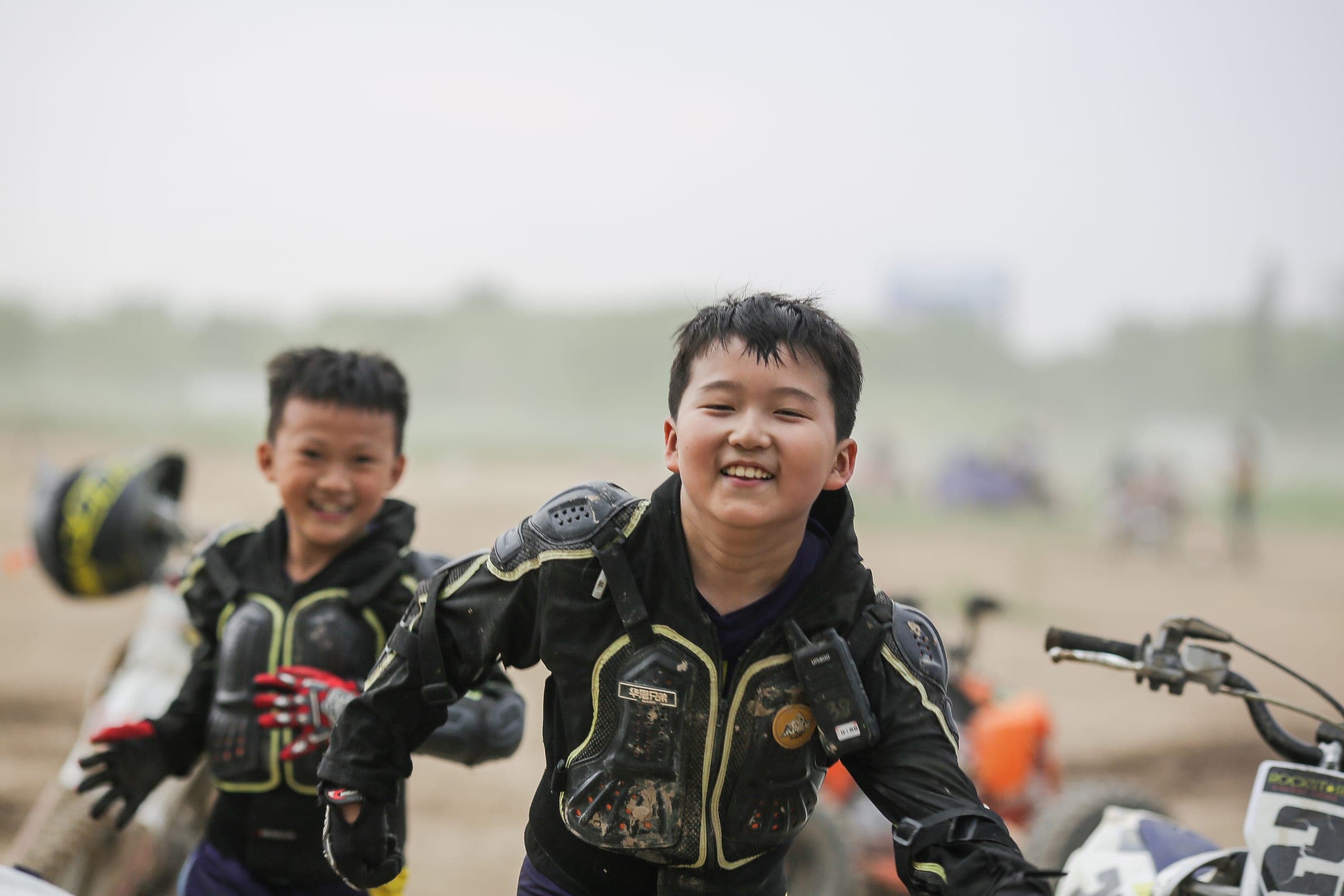
Our purpose in youth rally education is not to make children endure more pain. It is to help them keep finding direction, solving problems and arriving with others on a changing road.
FAQ
Related questions
Does this article reject the value of learning to endure difficulty?
No. Tolerating fatigue, delaying gratification and continuing to act are important capacities. What we reject is using the amount of pain as a measure of growth. Persistence is more likely to become useful experience when it is connected to safety judgment, active choice and reflection.
When should a child try independently, and when must an adult intervene?
Recoverable, low-risk problems may be left for a child to explore. If there is immediate danger, injury or clear physical distress, loss of basic judgment or communication, a technical vehicle fault, worsening weather or increasing route risk, the task should stop and the appropriate professionals should respond under the safety plan.
Will asking for help make a child dependent on other people?
The key is whether the request is specific. A child who can explain what has been tried, where the problem is and which part needs support is still carrying responsibility. Precise help-seeking is part of independence.
How can parents tell whether an outdoor challenge has real educational value?
Check five things: Does the child understand the task? Is the difficulty appropriate to age and ability? Is the safety system clear? Does the child have age-appropriate agency? Is there a concrete review afterward? Being exhausting, exciting or photogenic is not enough.
SOURCES AND NEXT READING